


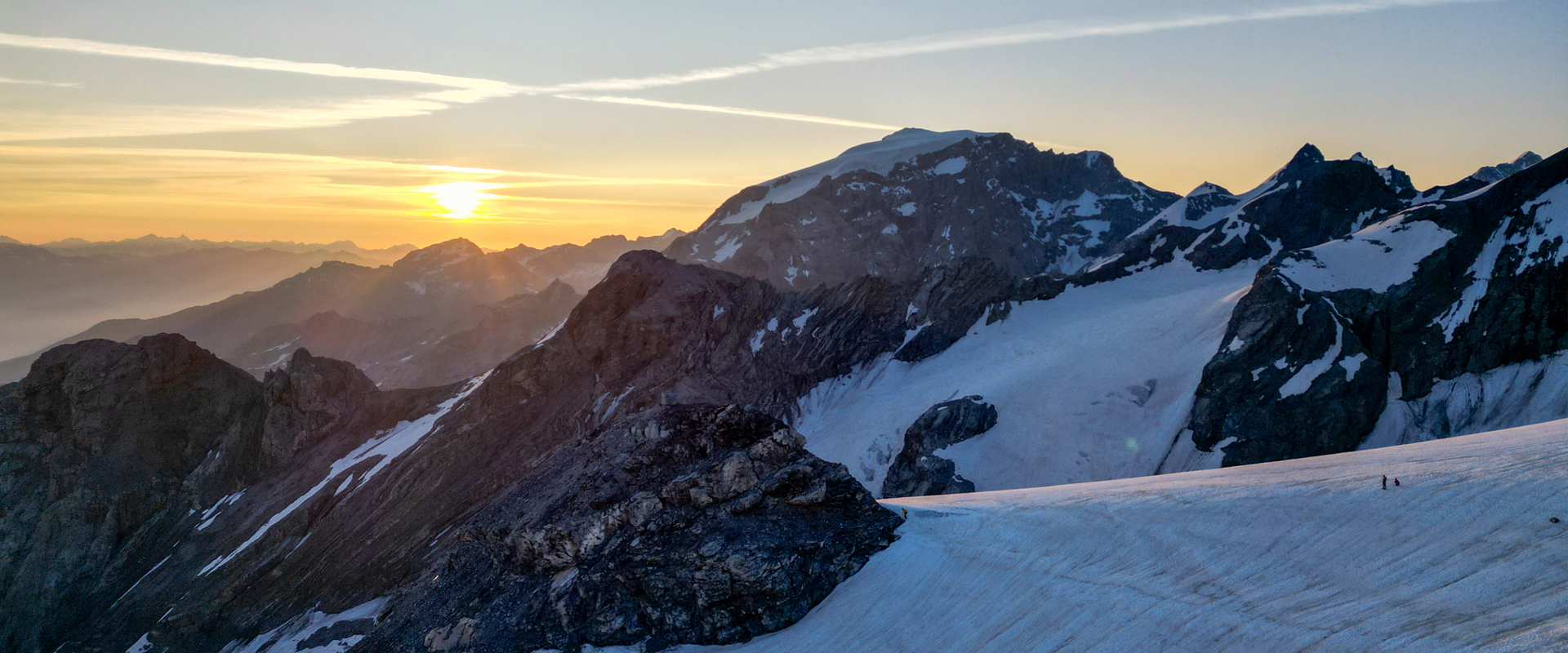


Stilfserjoch National Park
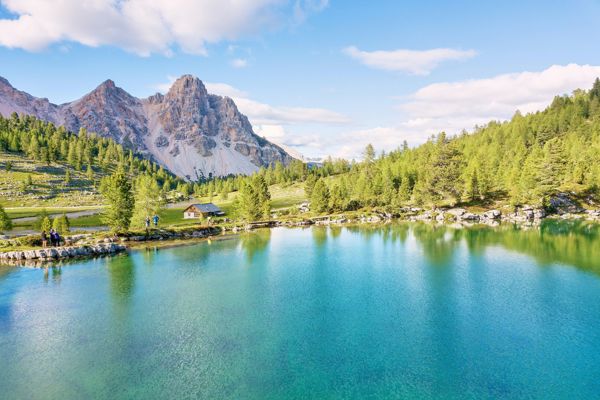
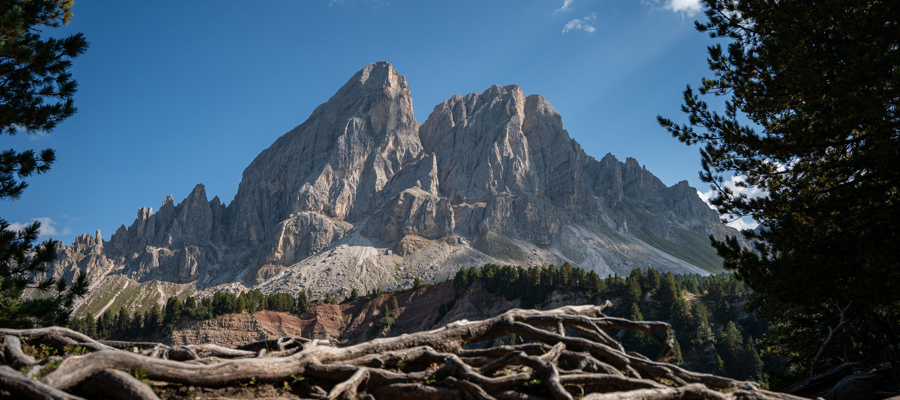
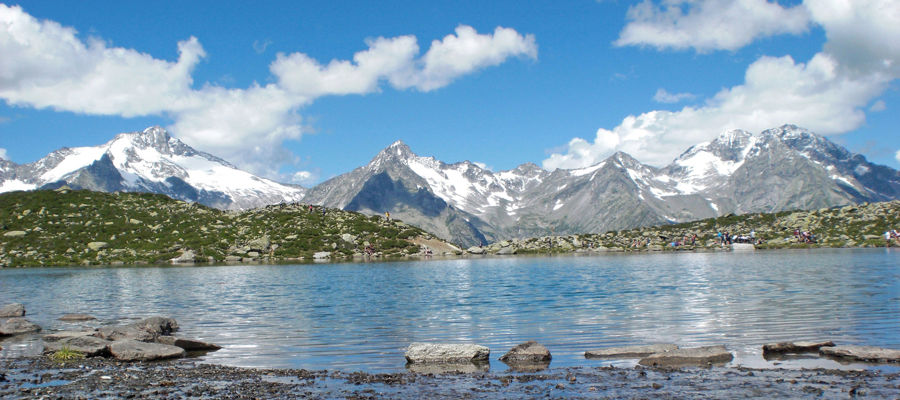
The Stilfserjoch National Park or Stelvio National Park is one of the largest protected areas in the Alps and extends across South Tyrol, Trentino and Lombardy. In the South Tyrolean section, it stretches from the Vinschgau Valley to the Ulten Valley and encompasses an extraordinary landscape of glaciers, alpine pastures, forests, mountain lakes and high-alpine peaks. The Ortler, at 3,905 metres, also towers over the area as South Tyrol’s highest mountain.

The national park is home to a wide variety of flora and fauna.
IDM Südtirol-Alto Adige/Helmuth RierFlora and Fauna in the Stilfserjoch National Park
The significant difference in altitude makes this national park a hotspot for biodiversity. Spanning an altitude range of around 700 to almost 4,000 metres, the Stilfserjoch National Park covers a total area of 130,734 hectares and offers numerous habitats for rare plants and animals.
The forests are home to red deer, roe deer, foxes and woodpeckers, amongst others, whilst marmot, chamois and ibex are found at higher altitudes. With a bit of luck, you may also spot golden eagles or bearded vultures. The flora ranges from dense larch and Swiss stone pine forests to alpine meadows featuring edelweiss, gentian, arnica and other rare high-mountain plants.

From family-friendly walks to high-altitude alpine hikes, the National Park offers routes to suit every taste.
IDM Südtirol-Alto Adige/Armin TerzerHiking and experiencing nature
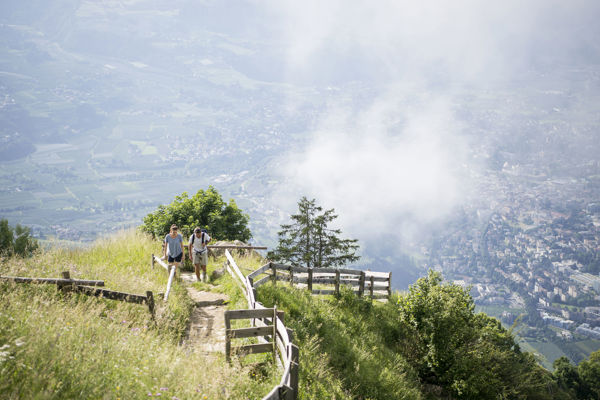
With over 250 km of marked hiking trails, the Stilfserjoch National Park is one of South Tyrol’s most beautiful hiking areas. Families will find varied themed trails and easy circular walks, whilst experienced mountaineers can discover challenging summit tours and high-alpine routes in the Ortler-Cevedale Group.
Guided tours
Those wishing to explore the Stilfserjoch National Park in even greater depth can take part in guided hikes, excursions and nature experiences. Experienced hiking guides, mountain guides and national park rangers share fascinating facts about the flora and fauna, the geology and the unique features of the alpine habitats. The varied programme of events is aimed at families, nature lovers and keen mountain walkers.

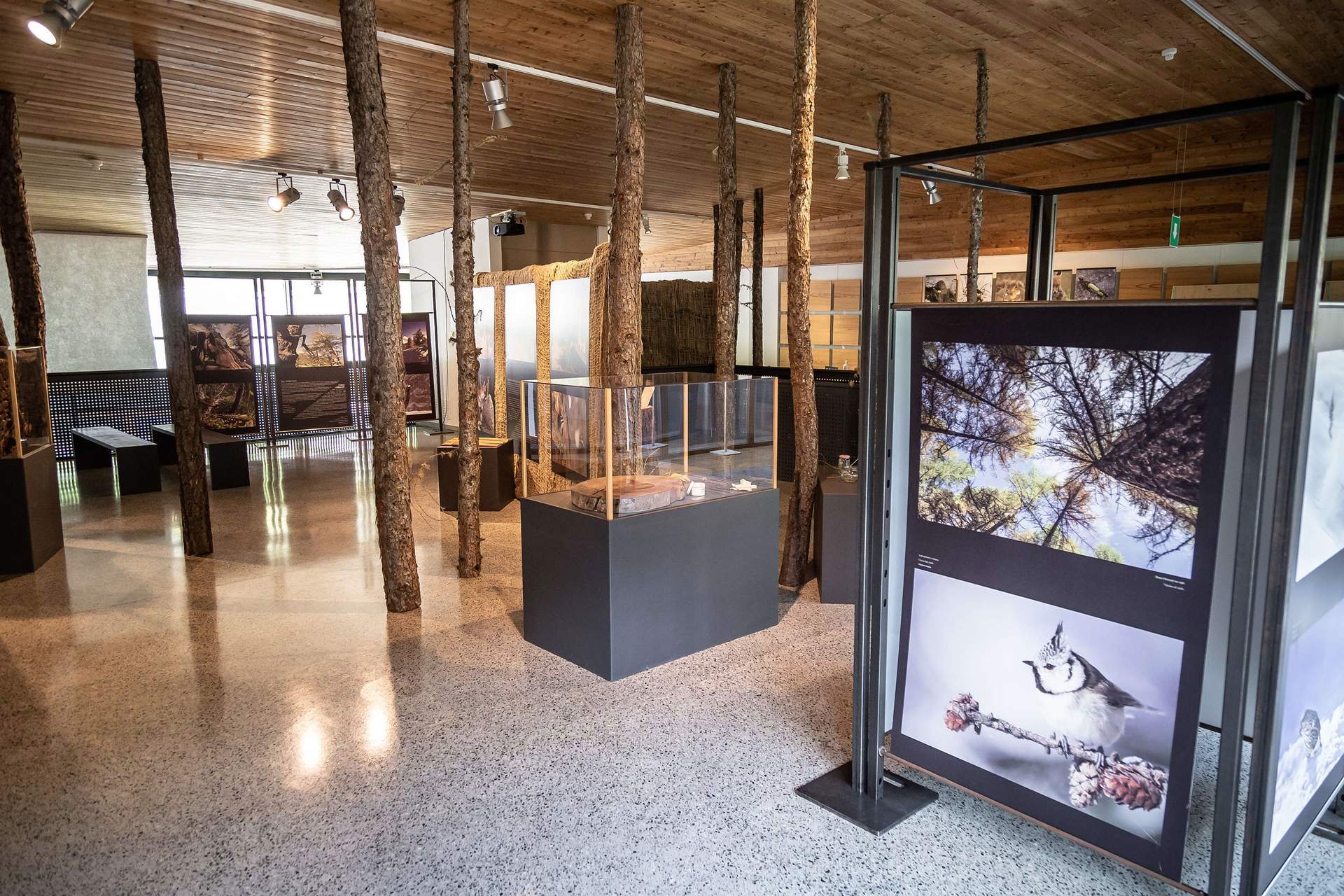
The five visitor centres in South Tyrol offer fascinating insights into various topics relating to the national park.
IDM Südtirol-Alto Adige/Armin TerzerWhere are the five visitor centres in the Stilfserjoch National Park located?
- aquaprad in Prad am Stilfserjoch
Focus:Water - avimundus in Schlanders
Focus:Life on Mt. Ortler - culturamartell in Martell
Focus:Birdlife - lahnersäge in St. Gertraud in Ulten
Focus: Mountain farmers way of life - naturatrafoi in Trafoi
Focus: Forest and timber
Highlights in the National Park Stilfserjoch

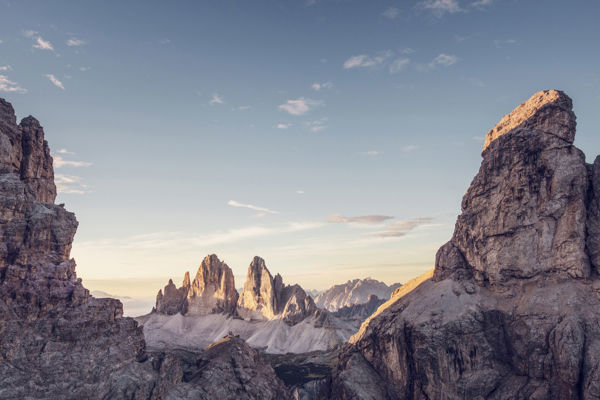
The national park offers spectacular views of the Ortler-Cevedale mountain range.
IDM Südtirol-Alto Adige/Armin Terzer- Ortler:
at 3,905 m, the highest mountain in South Tyrol - Stilfser Joch Pass:
with its famous mountain pass road - A wide variety of hikes and mountain tours:
from the Ortler-Cevedale Group through the Martell Valley in Vinschgau to the Ultental Valley - Five visitor centres:
fascinating insights into flora, fauna, geology and more - A rich variety of flora and fauna:
including ibex, marmots, golden eagles and bearded vultures


Frequently Asked Questions
What animals live in the Stilfserjoch National Park?
The Stilfserjoch National Park is home to a wide variety of wildlife. With a bit of luck, you can spot ibex, chamois, red deer, roe deer, marmots and foxes, as well as birds of prey such as the golden eagle or the rare bearded vulture.
Can you go hiking in the Stilfserjoch National Park?
Yes, the Stilfserjoch National Park is one of South Tyrol’s most popular hiking areas. The network of trails ranges from leisurely family walks and themed trails to challenging mountain and summit tours in the Ortler-Cevedale Group.
Is entry to the Stilfserjoch National Park free?
Entry to the national park is free. A small fee is charged for the visitor centres, and there is a small surcharge for guided tours.
Images
Stilfserjoch National Park with has an imposing mountain landscape with an exceptional flora and fauna and offers 5 visitor centres.
Klaus Huber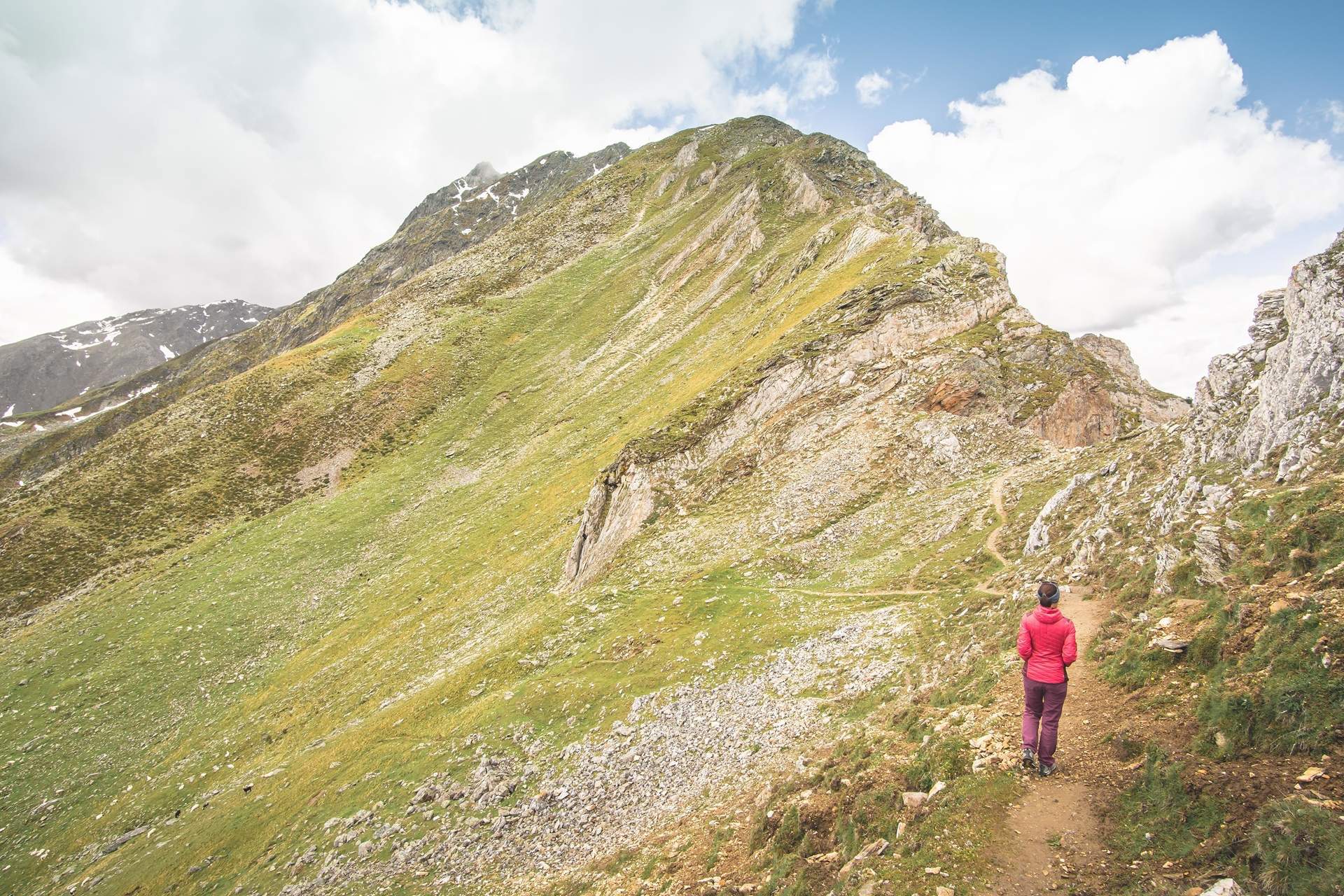
Stilfserjoch National Park with has an imposing mountain landscape with an exceptional flora and fauna and offers 5 visitor centres.
IDM Südtirol-Alto Adige / Klaus Huber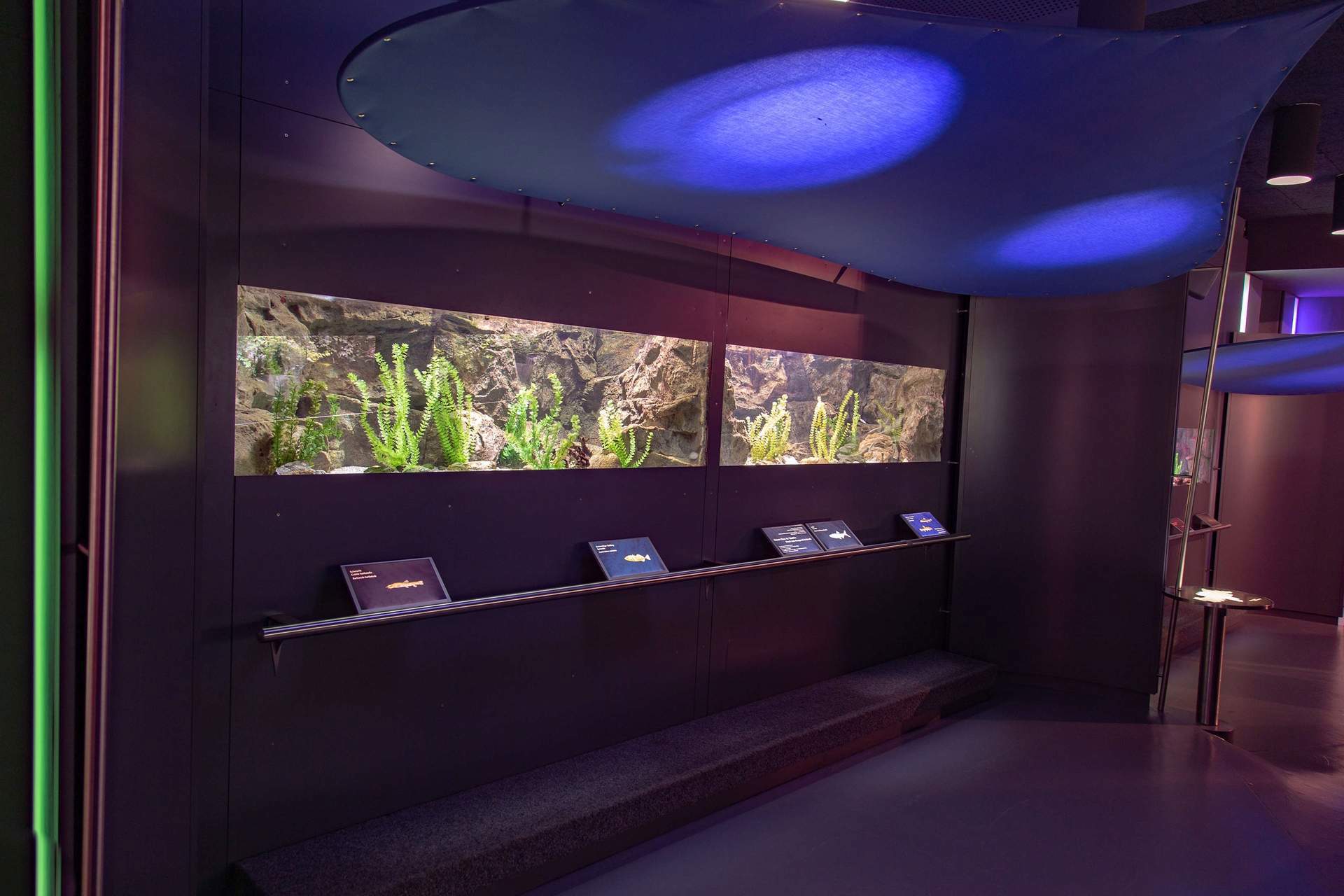
Stilfserjoch National Park with has an imposing mountain landscape with an exceptional flora and fauna and offers 5 visitor centres.
Klaus Huber
Stilfserjoch National Park with has an imposing mountain landscape with an exceptional flora and fauna and offers 5 visitor centres.
Klaus Huber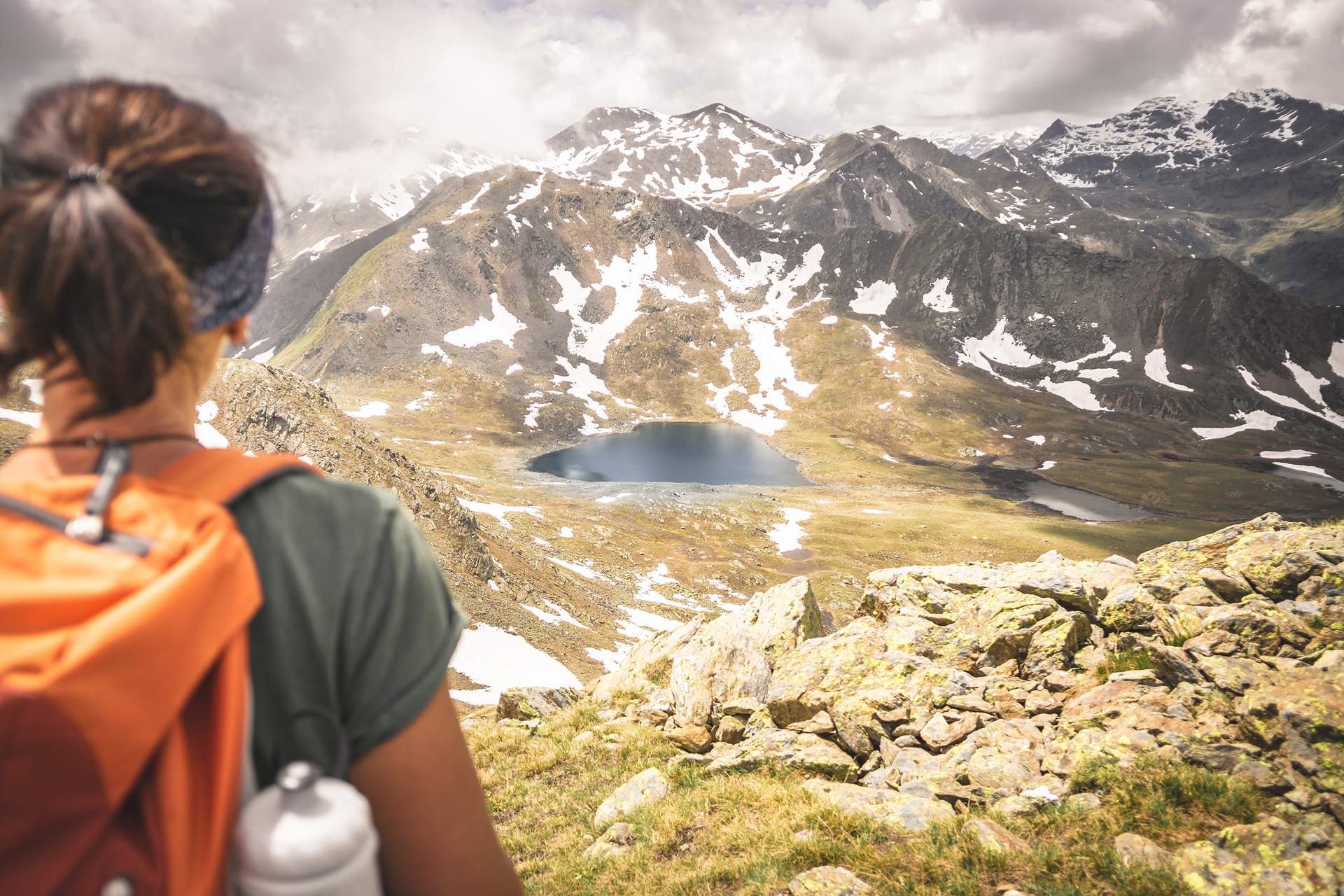
Stilfserjoch National Park with has an imposing mountain landscape with an exceptional flora and fauna and offers 5 visitor centres.
Klaus Huber
Magical sunrise on the glacier next to the Stilfser Joch Pass and the famous pass road with 48 hairpin bends in the morning light.
Internet Consulting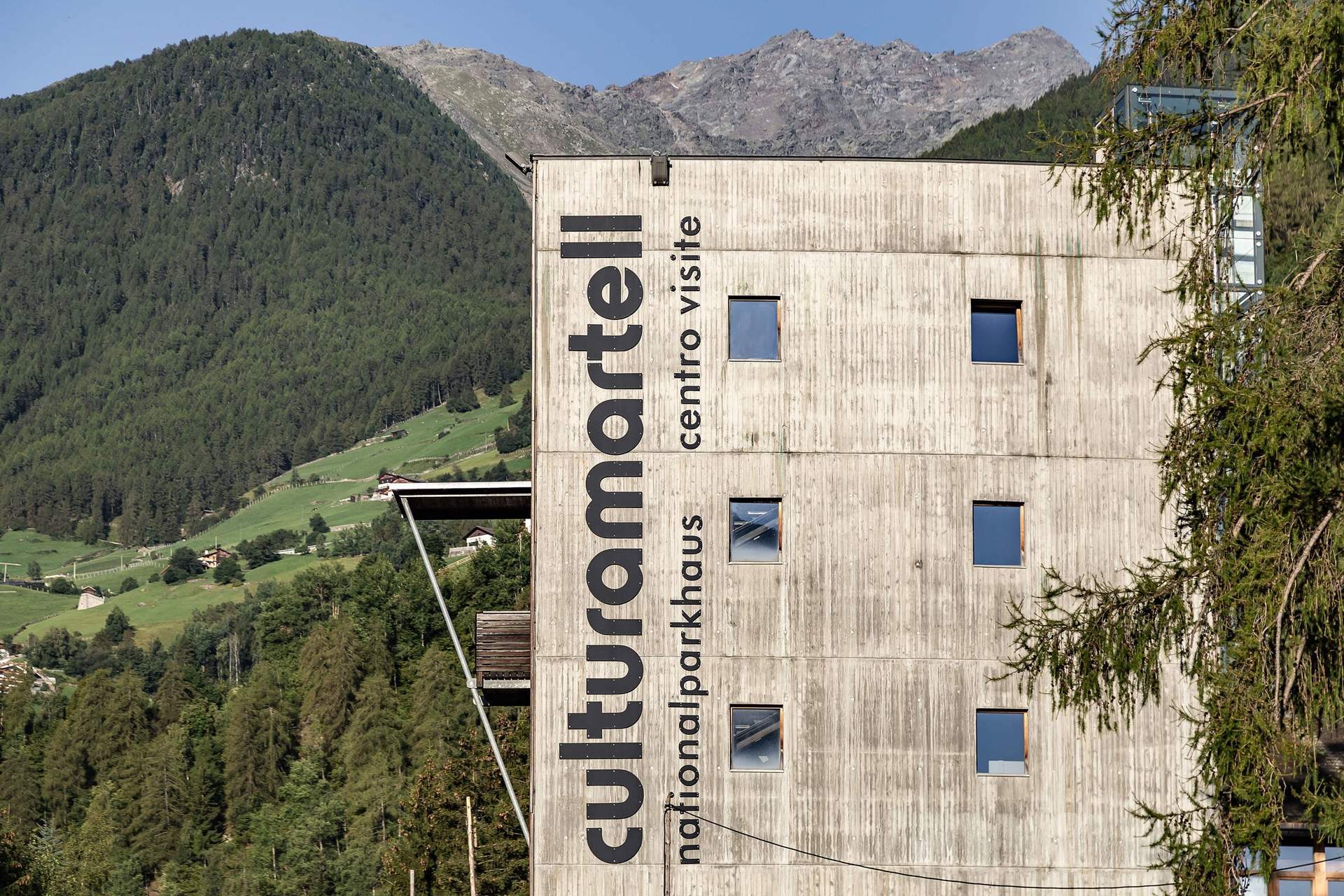
Stilfserjoch National Park with has an imposing mountain landscape with an exceptional flora and fauna and offers 5 visitor centres.
Klaus Huber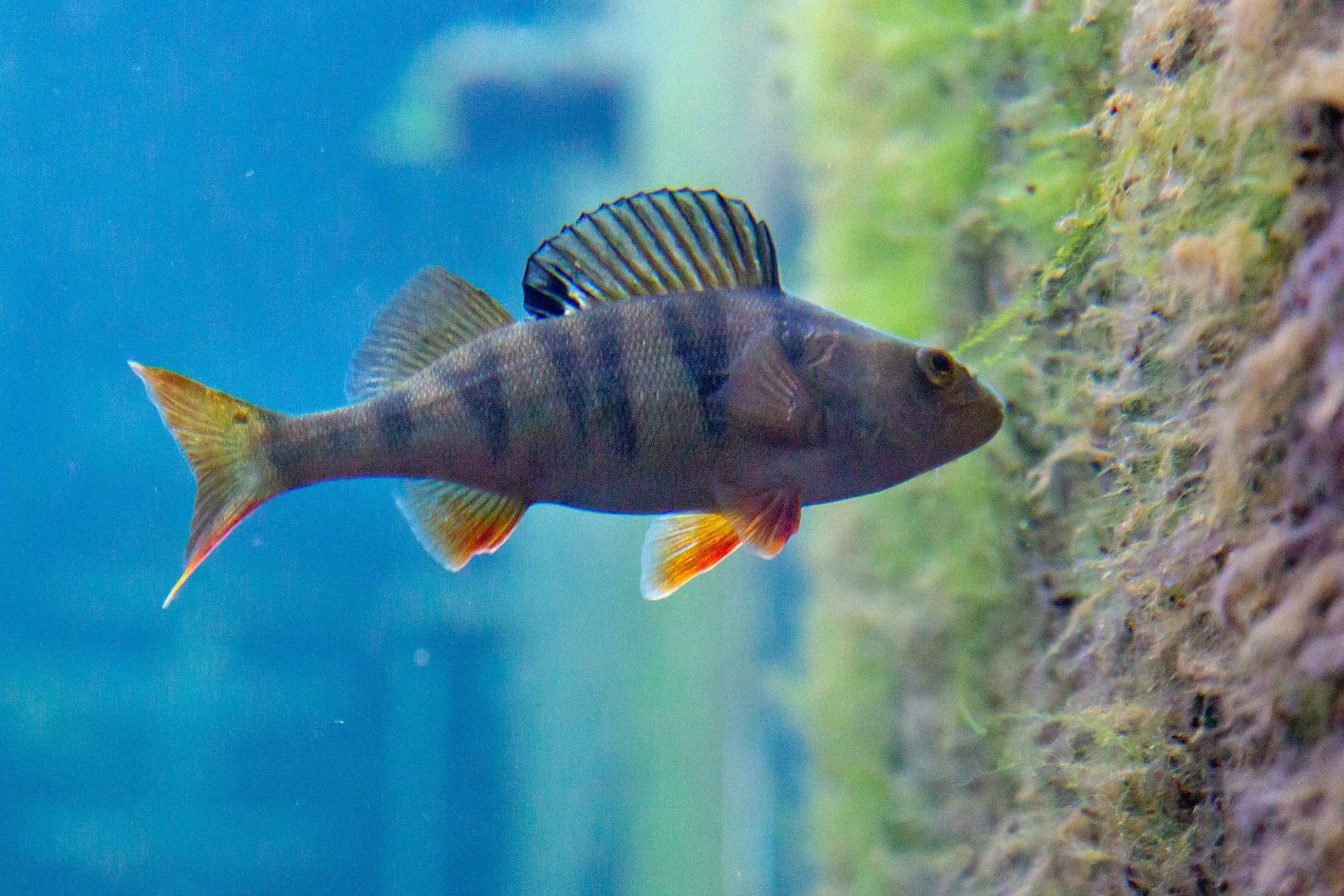
Stilfserjoch National Park with has an imposing mountain landscape with an exceptional flora and fauna and offers 5 visitor centres.
Klaus Huber
Stilfserjoch National Park with has an imposing mountain landscape with an exceptional flora and fauna and offers 5 visitor centres.
Klaus HuberNature Parks

Selected accommodations in Prad am Stilfserjoch
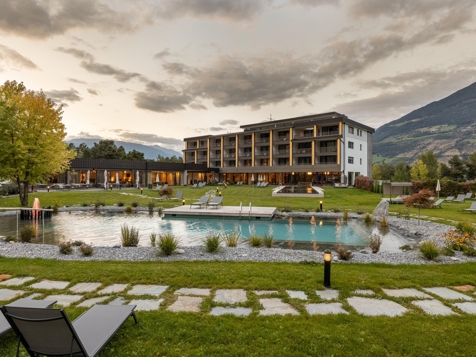
- Elegant and relaxing ambience
- Large park surrounding the house
- Indoor pool,infinity pool and whirlpool
- Swimming pond
- Lounge and terrace for pleasant moments