




Burning incense in South Tyrol
Cleansing with smoke, driving away evil spirits and keeping away mischief… The time between Christmas and the first days of the new year is full of magic and old traditions.
The so-called “Rauhnächte“ (Rough Nights or Twelve Days of Christmas) originate from everyday rural life. In South Tyrol, they still have a meaning for many people today, albeit in a reduced form. Initially, it was assumed that there were 12 Rough Nights, which symbolized the 12 months of the next year. They began on St. Thomas Day (21 December) and ended on Epiphany (6 January). Depending on the region, different dates are also possible.
In popular belief, the border between this world and the hereafter is particularly thin during these nights, so that all kinds of powers can pass through. Thus, it is considered the best time for predictions and oracles. It was also said that animals could speak and tell of the future during a Rough Night.
In most families today, one to three Rough Nights still play a role. For example, on Christmas Eve, New Year’s Eve and/or on the eve of Epiphany, incense is burned. If possible, the whole family must be present. In the past, it was interpreted as a bad sign if someone was missing.

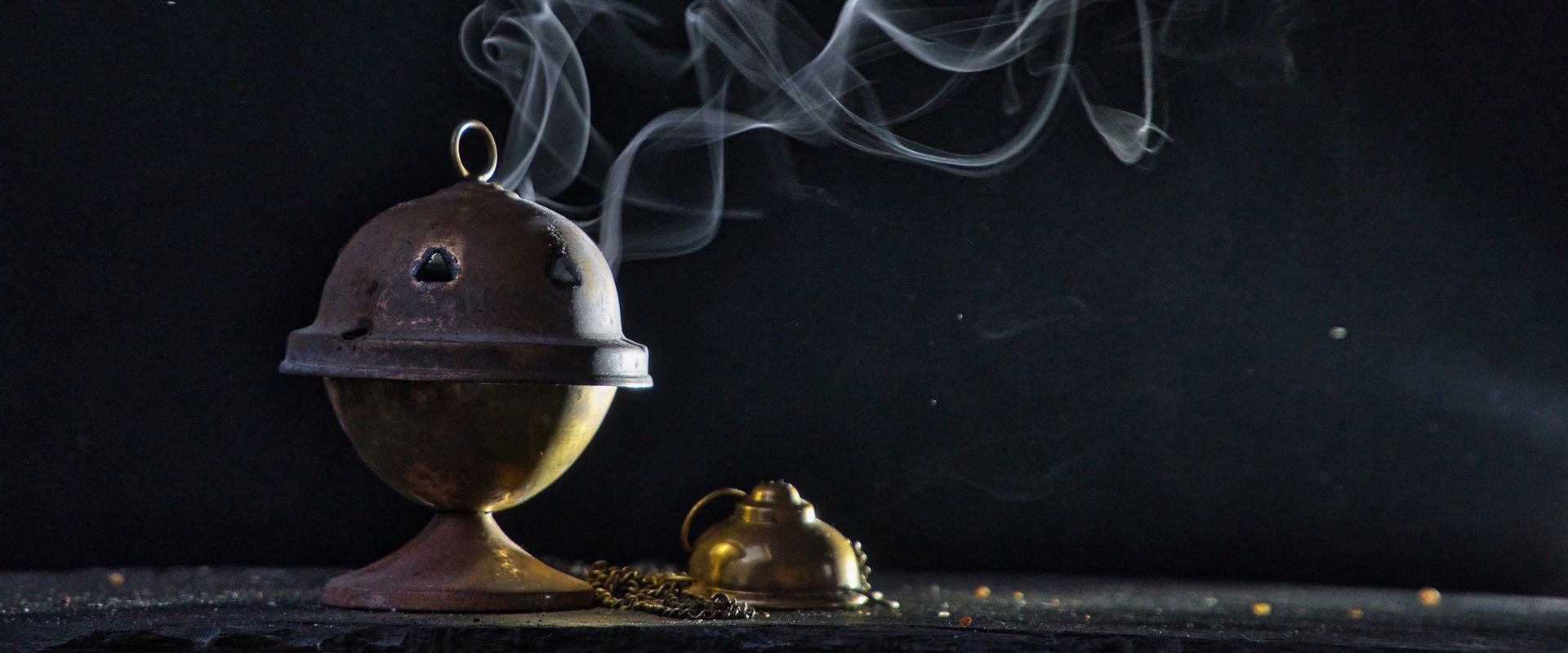
Resins, especially incense, special mixtures and dried herbs are usually placed on the glowing coals in the censer.
xbqs42 - pixabay.comWhat is the purpose of burning incense?
Fragrant smoke is not only supposed to purify the air, but also to keep evil away from house and farm, to protect humans and animals from illness and danger. Depending on the incense used, different effects can also be achieved. In the past, for example, the stable was fumigated with wormwood to protect the animals from curses and dark magic. Mugwort, on the other hand, helps against fears, rosemary against negative energies or juniper against a poisoned atmosphere.
How do you burn incense?
First, you put glowing coals into a censer or another fireproof container. Sometimes even an old iron is used. Resins, usually incense or special mixtures, are placed on the embers so that it begins to smoke. If you like, you can also add dried herbs, flowers or roots.
In any case, burning incense is done before 9 p.m., because if it is too late, it is considered a sign of bad harvest. The head of the family carries the censer and waves the smoke into every corner of the house. The family follows him in prayer, one person sprinkling holy water on everything. The small procession starts in the kitchen and goes through every room, including the stable and barn on the farm.
For the exact procedure and details of the incense ritual during the Rough Nights, each family has its own peculiarities. Some wave the smoke to spoons and food on the table. Others under pillows and blankets, or even under the headgear of those present. Still others go around the entire farm three times with the censer.


Traditions








Selected accommodations in South Tyrol
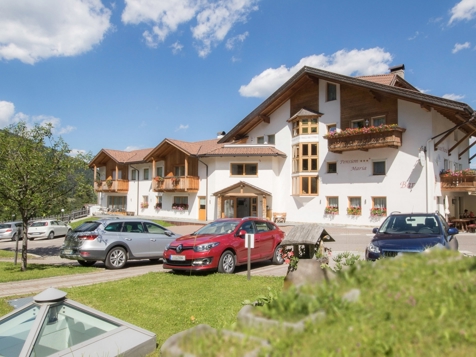
- Sunny location in the middle of the mountains
- Ideal starting point for numerous activities
- Familiar atmosphere
- Cosy rooms in Tyrolean style
- Half board with many regional delicacies
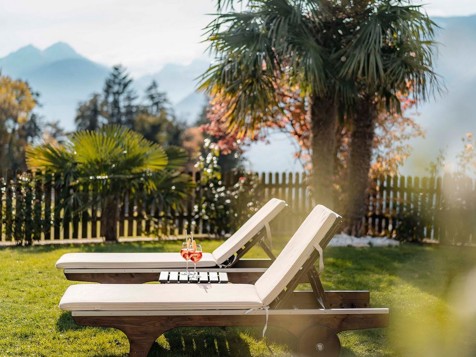
- Quiet location in orchards
- Panoramic view of Meran
- Indoor pool & garden
- Familiar atmosphere
- Rich breakfast buffet
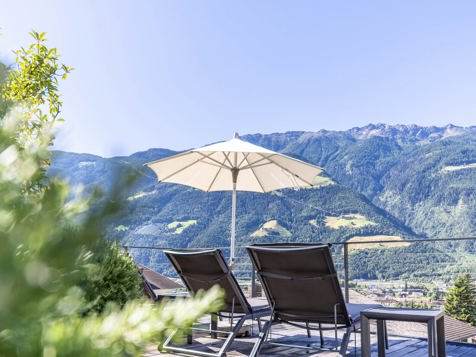
- Best south-facing hillside location in Naturns
- Exclusively for guests aged 14 and over
- Spacious wellness area & garden lounge
- Member hotel of the Ötzi Bike Academy
- Indulgent cuisine
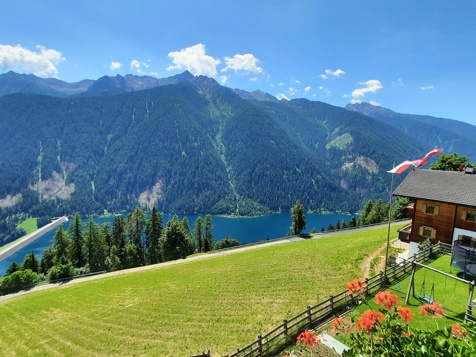
- Idyllic location at 1,450 m altitude
- Cosy apartments
- Farm products for breakfast
- Family-friendly adventure farm
- Environmentally friendly farm