


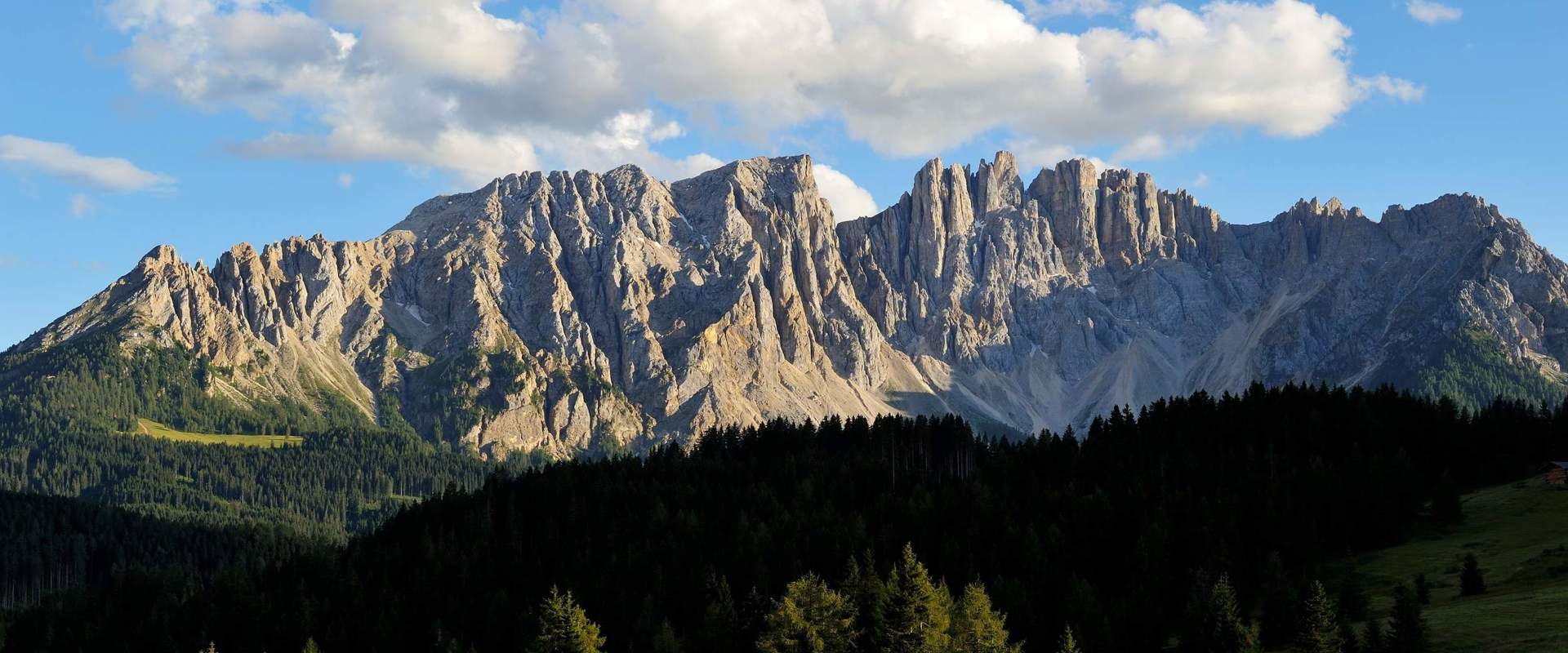


Formation of the Dolomites
Many million years ago, there was a large plain where the Dolomites are located today, that had become a tropical ocean with atolls and volcanos over the centuries.
During the Triassic, high coral reefs were formed by organisms and sediments. Due to the intensive volcanic activity, volcanic material was deposited between ad on top of the coral reefs again and again. The sediments on the sea floor had turned into rock over time and under high pressure.
As the Africa continental plate had approached the European plate, the mountains were lifted. Big rock masses slid on top of others and created folds. The Dolomites had received their typical appearance due to the weathering process, as the different rock layers were eroded at different velocities.
A typical characteristic of the Dolomites is the abrupt change between rugged rocks and hilly, green mountain pastures. Reasons for this are the rock formations, which are differently hard, the different composition of these formations and the alternate elevation or sinking due to earthquakes, volcanic explosions or flooding (e.g. this can be seen on the west face of Mt. Rosengarten).
Still today, many rocks in the Dolomites display fossilised inhabitants of the primordial ocean. Particularly beautiful and impressive fossils of the Dolomites can be seen in different South Tyrolean museums, such as in the Museum DoloMythos in Innichen, at GEOPARC Bletterbach or in the Museum of Nature in Bozen.
Déodat de Dolomieu
The name Dolomites derives from the French geologist Déodat de Dolomieu. He was the first to describe the fossilized coral reefs. Today, you can make the same geological discovery tours like De Dolomieu did in the 18th century.
A special tip for amateur geologists and scientists is for example the mountain crest Padon between Sella and Marmolada, completely consisting of lava rock; or the rugged Sexten Dolomites and the famous “Drei Zinnen” (Three Peaks of Lavaredo) with the same magnesian rock formations as Rosengarten.


Images

The rock strata of the Dolomites tell a story dating back some 250 million years.
inetcons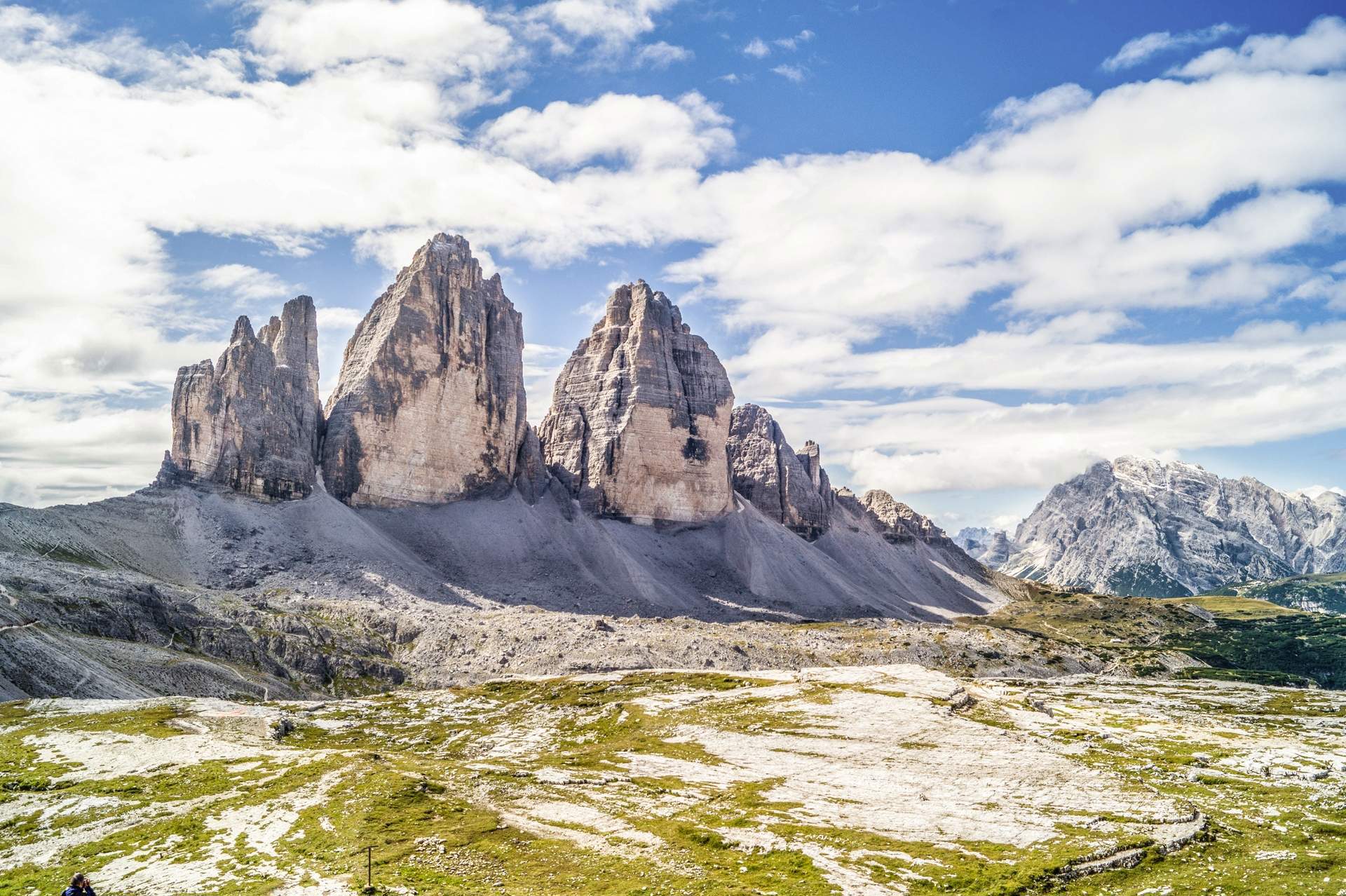
The impressive mountains are located in the Sexten Dolomites and are a very famous photo spot.
inetcons - Stefan Tolpeit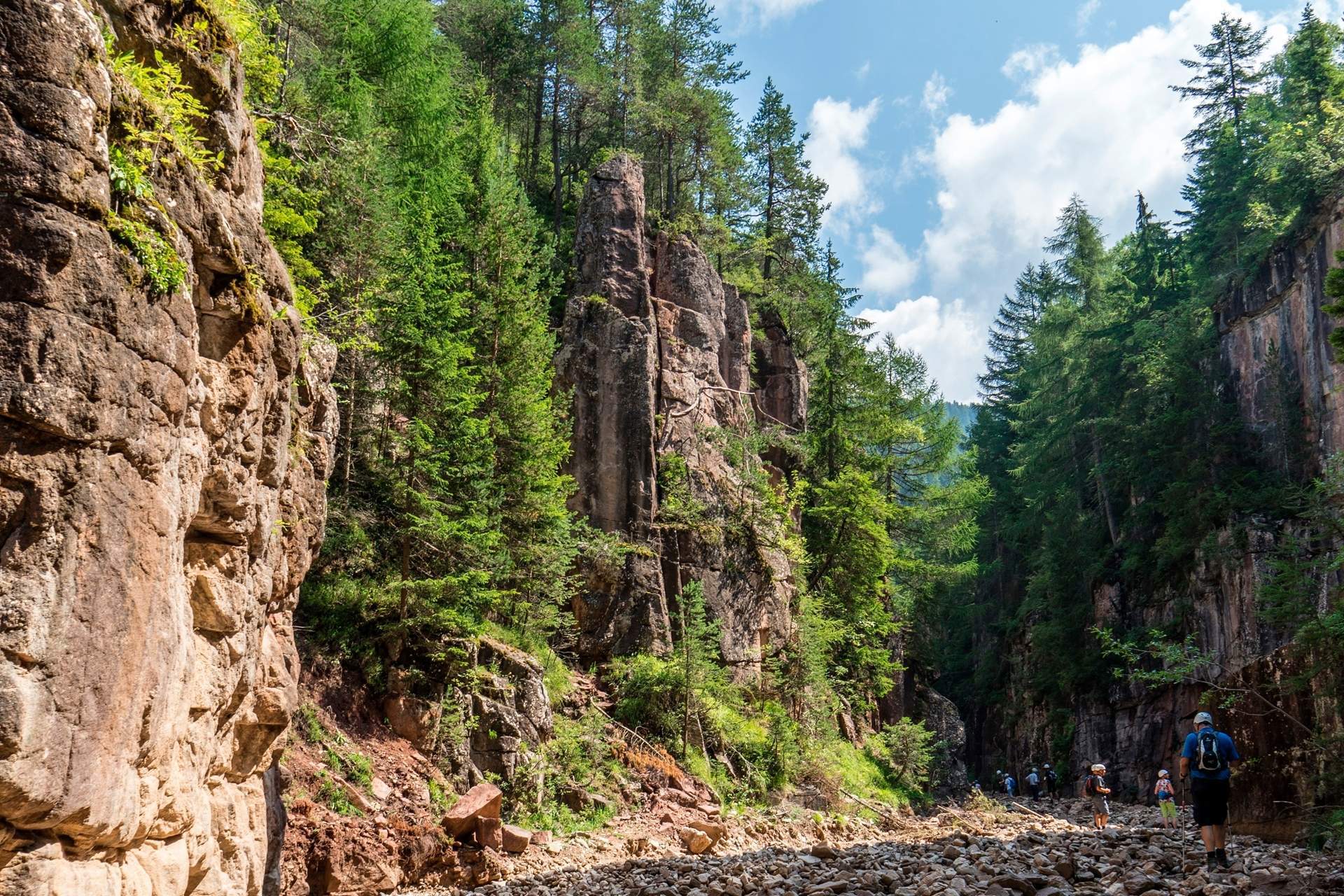
The UNESCO World Heritage Bletterbach gorge offers an insight into the geology of the Dolomites.
IDM Südtirol/oooyeah.de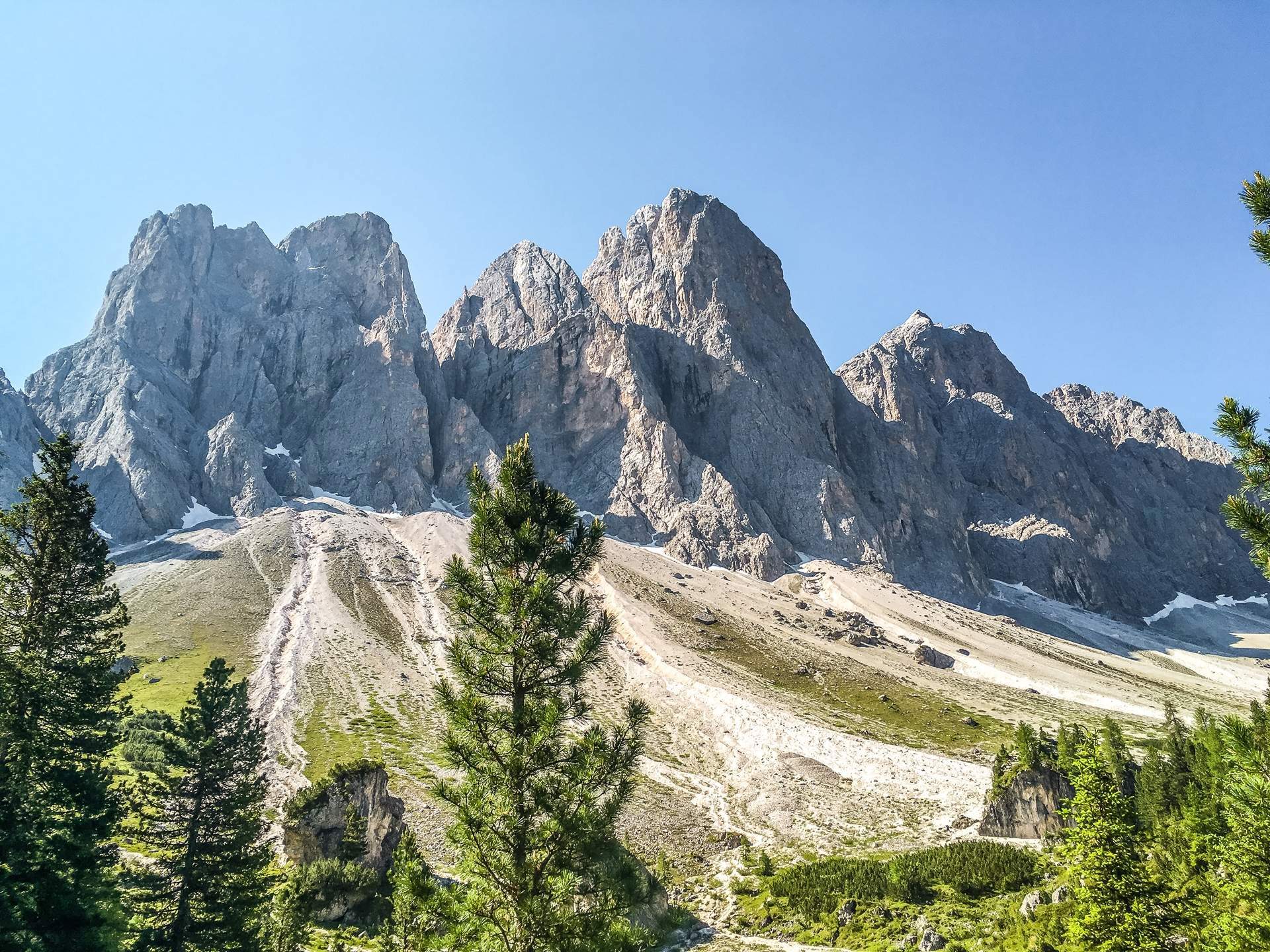
The Geisler Group in Villnöss is located in the heart of Puez Geisler Nature Park in the Dolomites. It is a wonderful hiking area for the whole family.
inetcons - Fabian Auer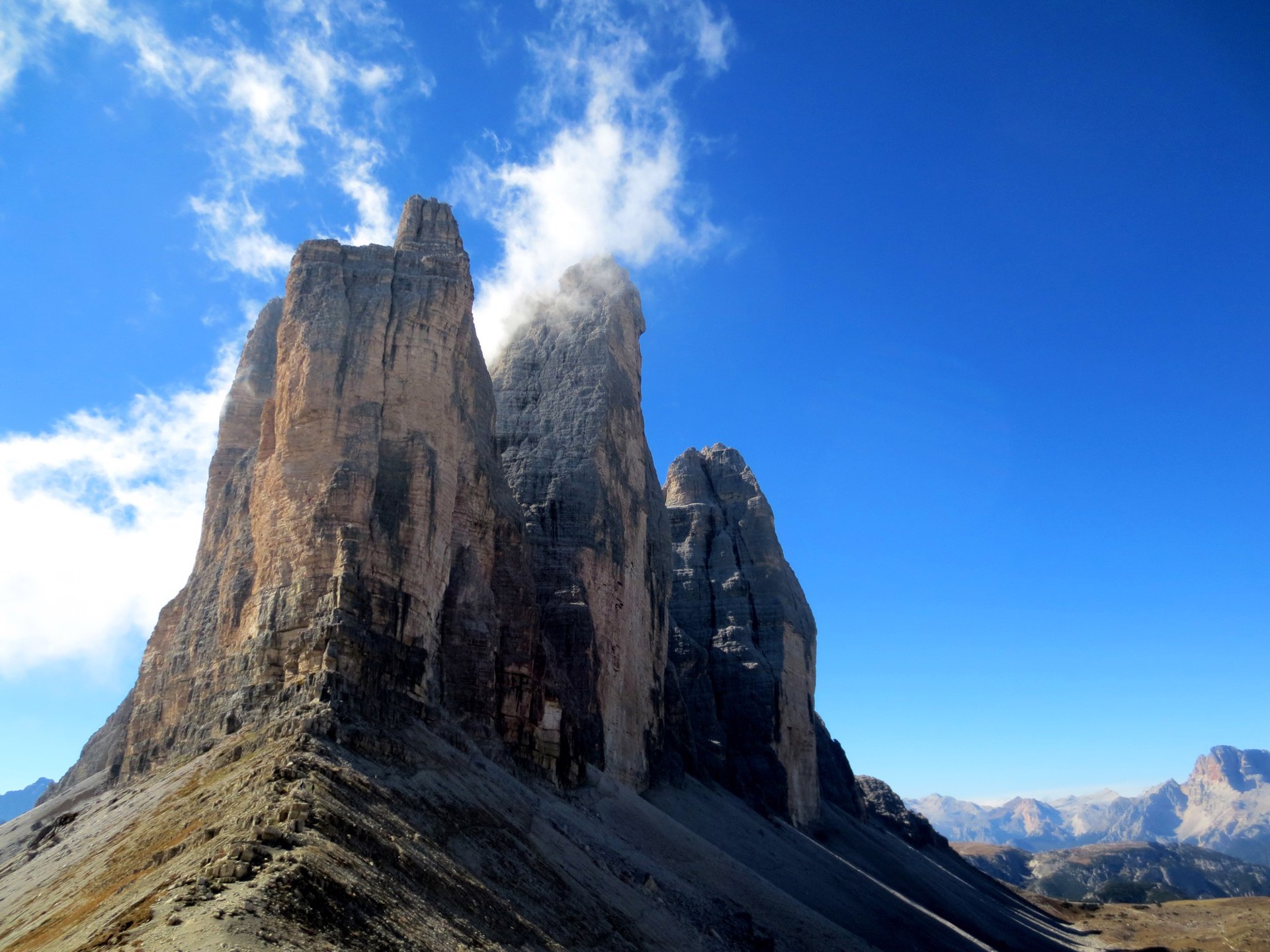
The Three Peaks are an important natural sight in Hochpustertal and in the Dolomites.
inetcons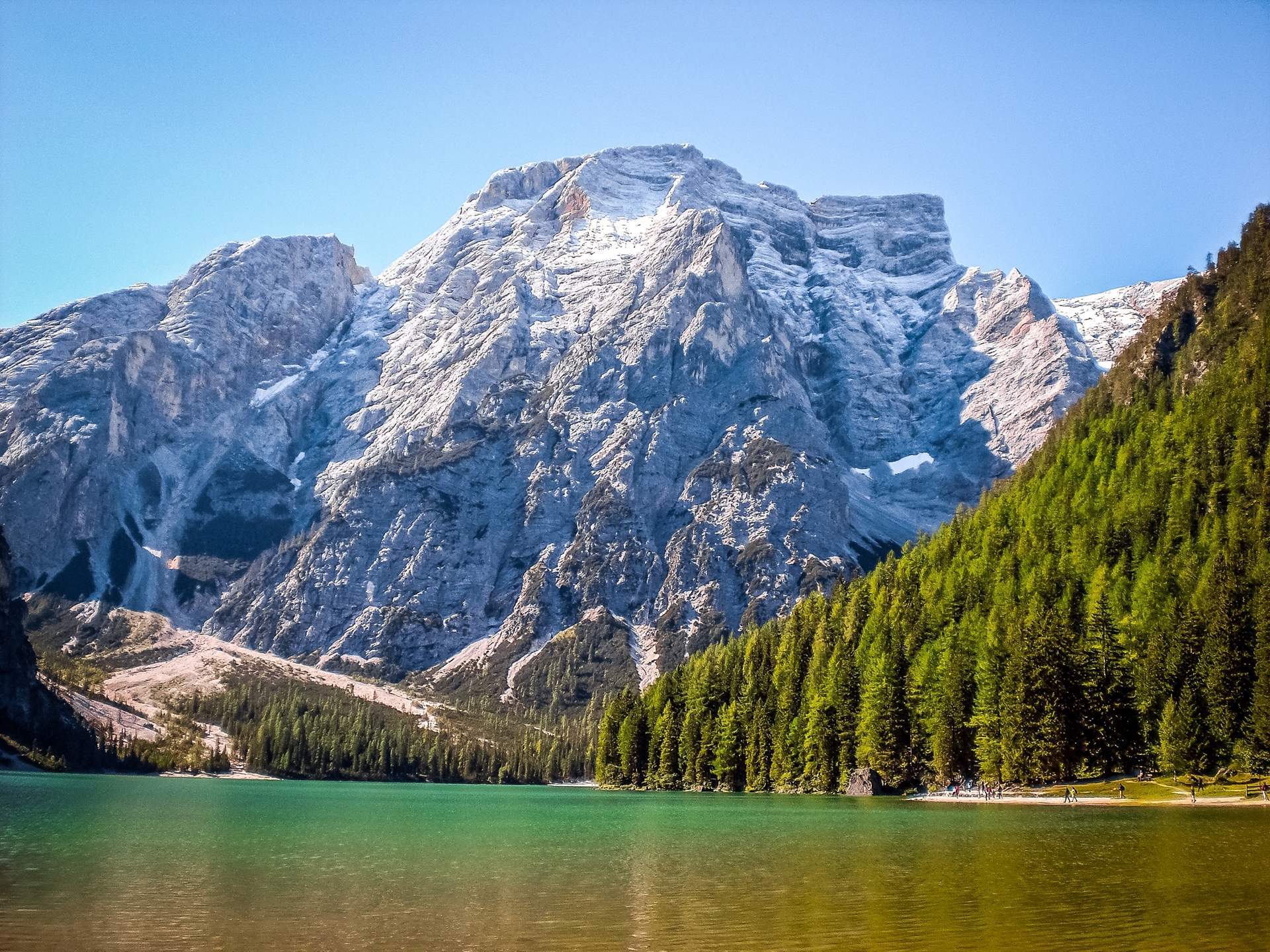
The breath-takingly beautiful mountain lake in the Dolomites is located at the foot of the picturesque Mt. Seekofel.
inetcons - Stefan Tolpeit
Selected accommodations in the Dolomites
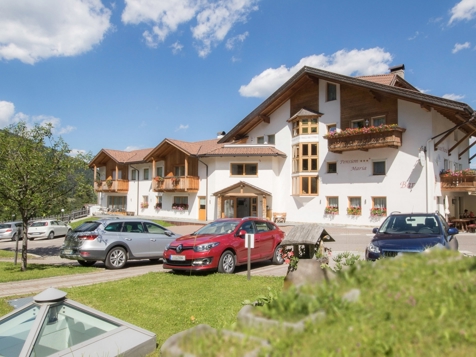
- Sunny location in the middle of the mountains
- Ideal starting point for numerous activities
- Familiar atmosphere
- Cosy rooms in Tyrolean style
- Half board with many regional delicacies
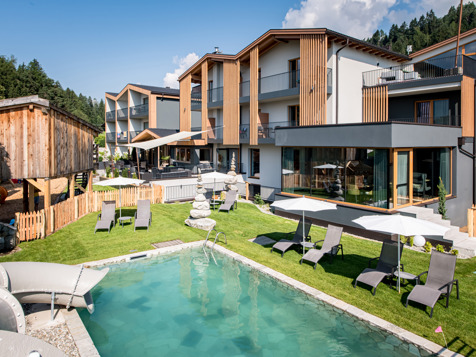
- Family-run hotel in a sunny location
- Wellness area with a view
- Indoor and outdoor pool
- South Tyrolean and Italian specialities
- Play area, playground and many activities in the surroundings
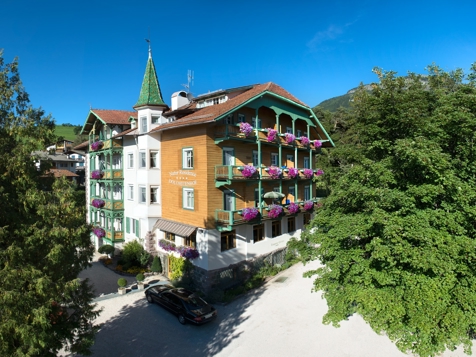
- Rooms & apartments with breakfast
- Quiet location at the foot of the Seiser Alm
- Rich breakfast buffet
- Wellness with saunas & indoor pool
- Warm, familiar & close to nature
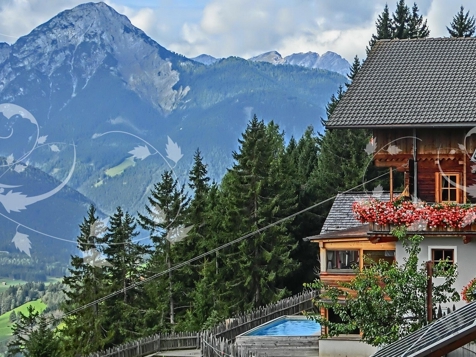
- Organic farm in a sunny location
- Wonderful view of Innichen & the Dolomites
- Possibility of making friends with the farm animals
- Outdoor pool & sauna
- Excellent breakfast &dinner with local & organic produce