


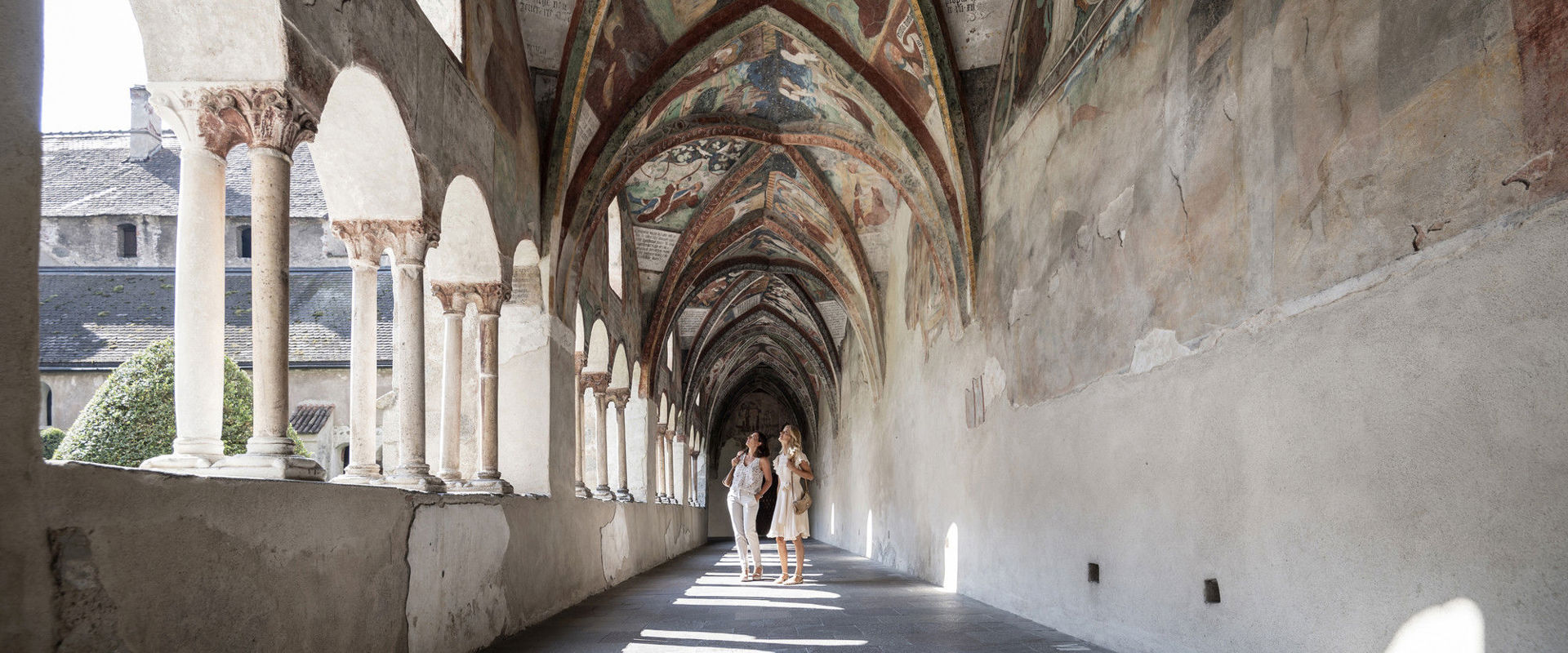


From the First World War to the present
During the First World War, the mountain front was at the southern border of Tyrol from 1915 until 1918. With the peace treaty of Saint Germain, today’s South Tyrol and Trentino (formerly Welschtirol) were affiliated to Italy in 1919. With this assurance, England, France and Russia could draw Italy onto their side at the entry of the war in the secret treaty of London in 1915.
Repression under Benito Mussolini
The takeover by the fascists in Italy from 1922 was the beginning of a systematic Italianisation of South Tyrol. The use of the German language was entirely prohibited: in school, in the media, in administration and in court. The German town’s names were replaced by Italian names, first names were Italianised and partially last names as well. With the promoting immigration from other provinces in Italy, the Italian-speaking majority should be created.
A fatal agreement
In 1939, the National Socialist dictator Adolf Hitler and the fascist dictator Benito Mussolini made an agreement. Afterwards, the German speaking South Tyroleans had the following option: They were allowed to emigrate to the German Reich or to stay in their homeland giving up their culture and language. A major part decided to emigrate. However, only a small part was resettled due to the beginning of the Second World War, but the option split the population of South Tyrol.
The way to Autonomy
After a difficult and century long negotiation process – temporarily accompanied by bombs and violence – South Tyrol today has extensive autonomy rights- The first step towards this direction was made in 1946 with the Gruber De Gasperi treaty (Paris Treaty), with the protection of the cultural singularity of the German-speaking population in South Tyrol and in Trentino.
In 1948, the First Statute of Autonomy came into force as a part of the Italian constitution. In fact, South Tyrol has not yet achieved a real self-governance as the autonomy rights of the new region Trentino-Tyrolean Etschland were granted and the Italian population still had the majority in the region. Only with the Second Statute of Autonomy, which was made in 1972 and which was realised until 1992m the autonomous provinces of South Tyrol and Trentino gained comprehensive self-governance.
A model for Europe
Today, South Tyrol is an exemplary model for autonomies of ethnic minorities. An important element is the legal integration of bilingualism and trilingualism (German, Italian and Ladin).
In 1998 was the foundation date the European region of Tyrol-South Tyrol-Trentino with a common periodical Landtag. This should strengthen the cultural identity of this region as well as encourage the economic and political collaboration.


Selected accommodations in South Tyrol
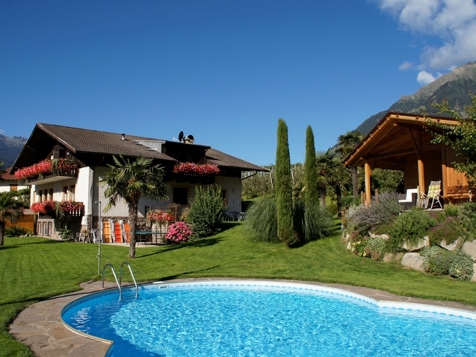
- Enchanting location with a view of Meran
- Garden with swimming pool
- Spacious and comfortable rooms
- Rich breakfast buffet
- Endless activities in the surrounding area
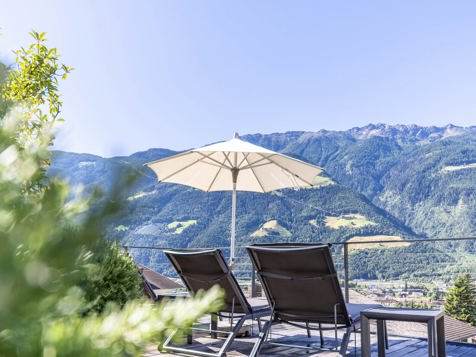
- Best south-facing hillside location in Naturns
- Exclusively for guests aged 14 and over
- Spacious wellness area & garden lounge
- Member hotel of the Ötzi Bike Academy
- Indulgent cuisine
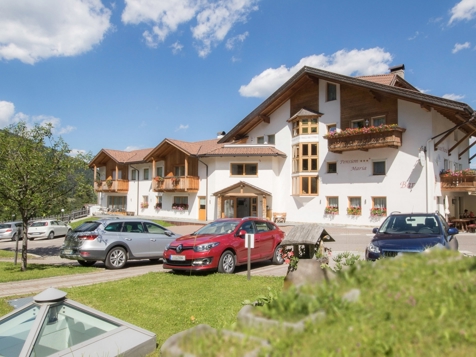
- Sunny location in the middle of the mountains
- Ideal starting point for numerous activities
- Familiar atmosphere
- Cosy rooms in Tyrolean style
- Half board with many regional delicacies
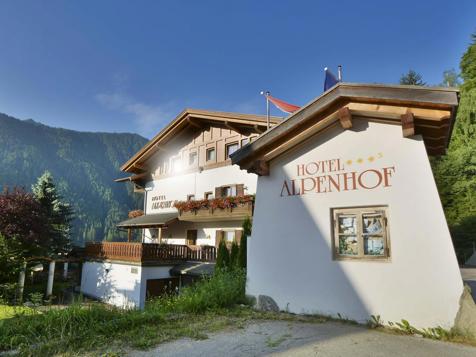
- Authentic gourmet hotel
- Wide range of leisure activities
- Wellness area with sauna & steam bath
- Regional specialities in the restaurant
- UltentalCard included